Driveway Paving & Sidewalks in Malden, MA
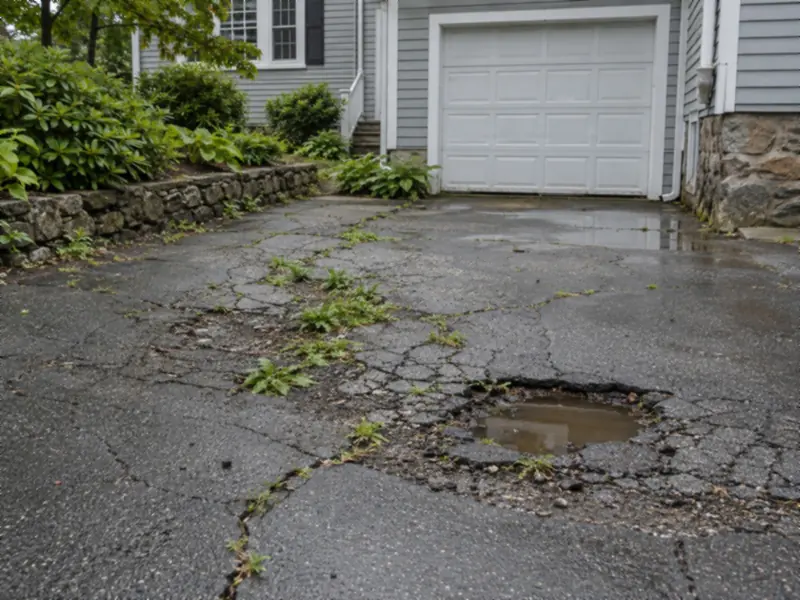
Asphalt full of cracks and potholes. A concrete walk that heaves a little more every winter. A worn-out driveway that collects water by the garage door. WA handles driveway paving and sidewalk construction in Malden, Boston and the cities nearby, in asphalt, concrete or pavers, and the old surface is torn out and hauled away by the same crew.
- Fully insured
- Open 24 hours, Mon–Sat
- Free estimates
- Homes & businesses
What does our driveway paving service cover?
Every job starts with what's there now and how you use it: one car or three, a steep lot or a flat one, a walk that floods or one that's just tired.
New driveways
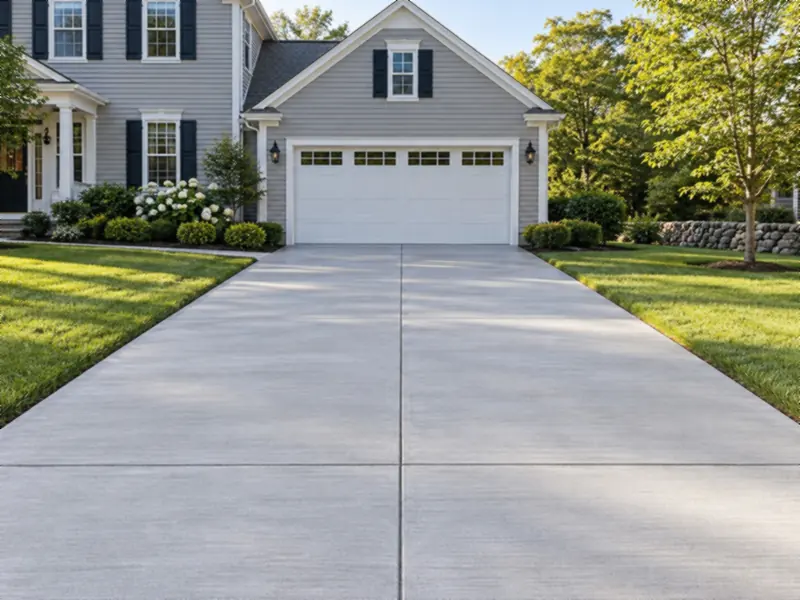
A new driveway or parking pad laid on a properly prepared base, in the material that fits your budget and your property.
Driveway replacement
The old asphalt or concrete is broken up and removed, the base is corrected where it failed, and the new surface goes down. Asphalt and concrete are on the state's waste disposal ban list, so the old surface has to go to a facility that accepts it.
Sidewalks and walkways
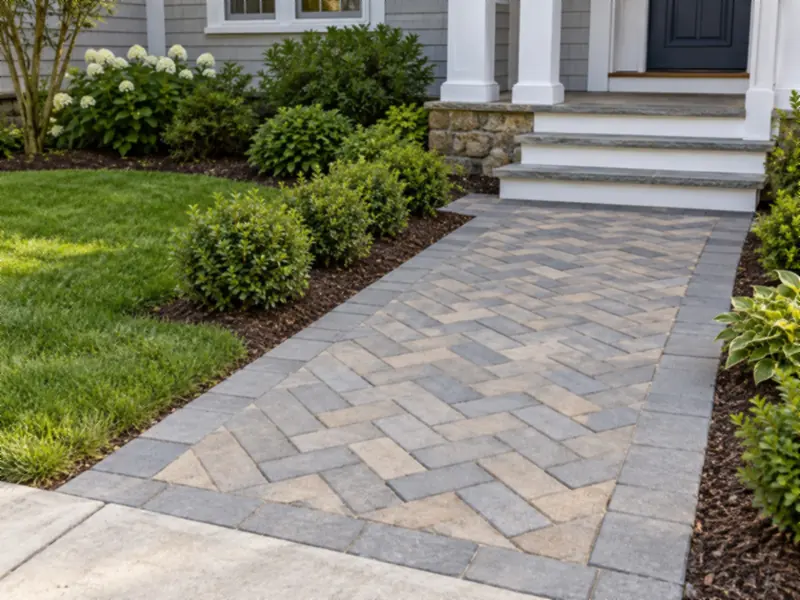
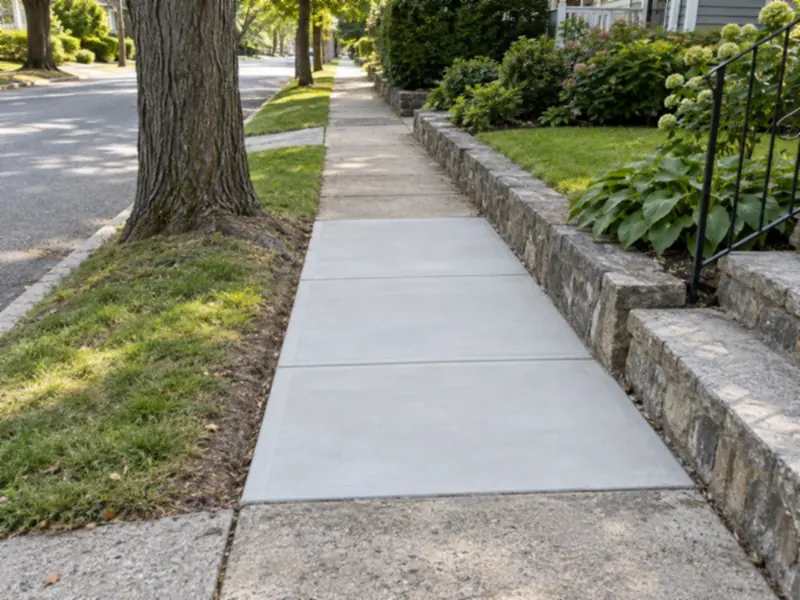
Front walks, paths to side and back doors, and walkways around the house, poured, paved or laid in pavers to match the driveway or the house.
Section repairs
Broken, sunken or heaved concrete sections cut out and replaced when the rest of the slab is still sound.
Asphalt, concrete or pavers: which fits your property?
All three work in Massachusetts. The difference is in upfront cost, upkeep and how each one handles winter:
| Asphalt | Concrete | Pavers | |
|---|---|---|---|
| Upfront cost | Usually the lowest | Higher than asphalt | Usually the highest |
| Upkeep | Benefits from sealing every few years | Little routine upkeep | Joints need refilling and weeding |
| Winter | Flexes with freeze and thaw | Deicing salt can flake the surface, especially in the first winter | Individual pavers can shift; they're easy to reset |
| Repairs | Patches show but are simple | Cracks can't be hidden; sections are replaced | Damaged pavers are lifted and swapped |
| Look | Plain black surface | Plain, brushed or decorative finishes | Many shapes and colors |
If you plan to stay in the house for a long time and want little upkeep, concrete is a strong choice. If budget comes first, asphalt usually wins. If you want a finished look and easy spot repairs, pavers are worth pricing. We'll compare the options for your property during the estimate.
Why does the base matter more than the surface?
Most driveway problems, like cracking, sinking and potholes, start underneath. Soft soil, a thin gravel layer or water that sits under the slab will break any surface, no matter how good it looks on day one.
That's why the work begins below grade: digging out to firm ground, building and compacting a gravel base, and setting the pitch so water runs away from the house and the garage instead of toward them. A driveway built this way handles snowplows, freeze and thaw, and daily parking for years.
What should you know before paving starts?
- City approval. A new curb cut or a wider driveway opening usually needs approval from your city. Check with the building or public works department before the work date.
- Underground lines. Excavation requires a Dig Safe call to 811 at least 72 hours ahead, not counting weekends and holidays.
- Drainage. Walk the driveway after a heavy rain. If water pools by the garage or runs toward the foundation, mention it so the new surface can fix it.
- Weather. Asphalt and concrete both need workable temperatures to set properly, so very cold weeks can shift the schedule.
- Parking. Plan where your cars will go while the new surface cures, and check your street's parking rules.
How does driveway paving with WA work?
- 1
Tell us about the project
Call (781) 957-5327 or send the estimate form with photos and rough measurements.
- 2
Free on-site estimate
We measure, check the old surface, the base and the drainage, compare materials with you and give you the price before work starts.
- 3
Tear-out and base
The old surface is removed and hauled away, then the base is dug, corrected and compacted.
- 4
Paving or pouring
The new driveway or walkway goes down, edges are finished and the site is cleaned up.
Planning a new driveway this season? Request a free estimate and we'll go over materials and timing with you.
What affects the cost of driveway paving?
- Size square footage of the driveway, walkway or both.
- Material asphalt, concrete or pavers, and any decorative finish.
- Tear-out removing and disposing of the old surface.
- Base work how much digging and new gravel the ground needs.
- Slope and drainage grading, steps or drains to move water away.
- Access room for equipment and trucks on the lot.
Why choose WA for your driveway?
- Tear-out, haul-away and paving in one crew. Our demolition and junk removal work means the old driveway leaves with us.
- Price before work. You see the estimate first and decide with the number in hand.
- Fully insured. Your property is protected while we work on it.
- Local. Based in Malden, we work on the tight lots, shared driveways and steep streets common around Boston.
Driveway paving in Malden and nearby cities
We build driveways, sidewalks and walkways in Malden and these 11 cities:
Request a free estimate online or call (781) 957-5327, any hour Monday through Saturday.
Driveway Paving FAQ
Which driveway is better, concrete or asphalt?
Concrete usually lasts longer with less upkeep; asphalt costs less upfront and handles freeze and thaw well. The right pick depends on your budget, your plans for the house and how the driveway is used.
Which is cheaper, concrete driveway or asphalt?
Asphalt is usually cheaper to install. Concrete costs more upfront but needs less routine maintenance over the years.
Do I need a permit to pave my driveway?
Replacing a driveway in the same footprint often doesn't, but a new curb cut or a wider opening usually needs city approval. Check with your building or public works department.
When can you drive on a concrete driveway?
Concrete needs time to cure. As a general rule, light foot traffic comes first and cars wait about a week. We'll give you the timing for your driveway when the pour is done.
Will salt damage a concrete driveway?
It can. Deicing salt can flake the surface, especially in the first winter. Sand or a concrete-safe deicer is the safer choice while the slab is new.
Are driveway pavers worth it?
They cost more upfront, but damaged pavers can be lifted and replaced one by one, and they offer more styles. They're worth pricing if looks and easy repairs matter to you.
Ready to clear it out?
Tell us what needs to go, come down or get fixed. The estimate is free, and you get the price before any work starts.